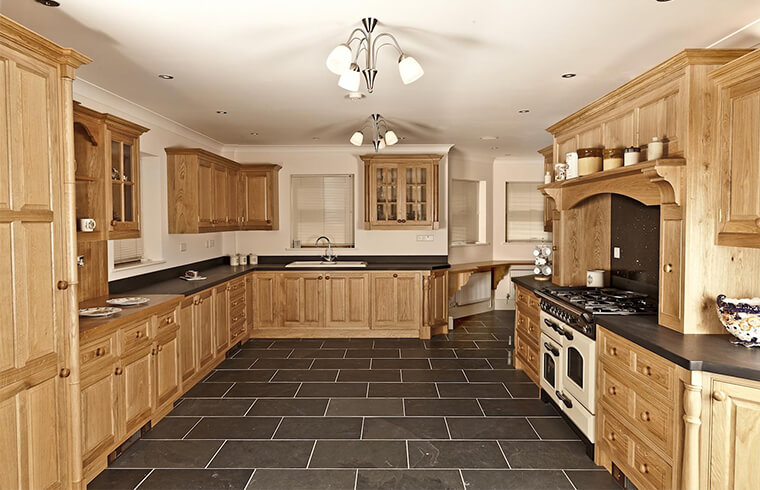
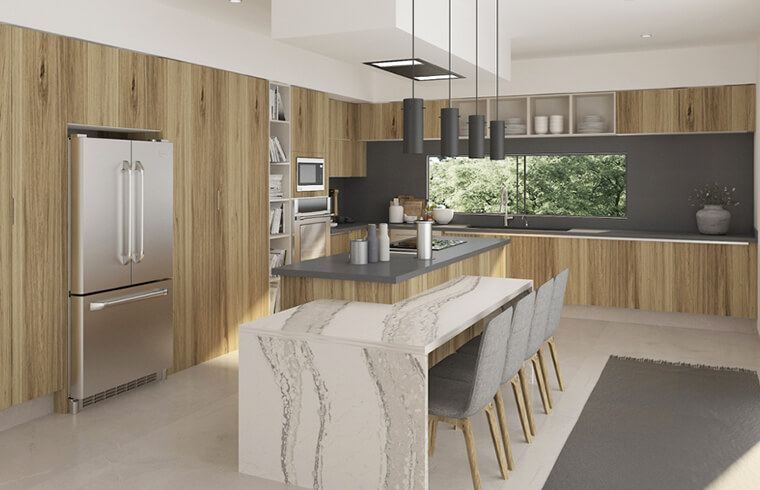
When planning a kitchen renovation or a new cabinet project, material selection is one of the most important decisions you will make. Kitchen cabinets are not only a visual centerpiece of the space but also a functional component that must handle daily use, moisture, and long-term wear. Among hardwood options, maple and walnut wood kitchen cabinets are two of the most commonly compared choices.
Although both are natural hardwoods, maple and walnut perform very differently in kitchen environments. Factors such as color, grain, hardness, durability, and moisture resistance can directly affect how cabinets look and function over time. Therefore, understanding these differences is essential before choosing a cabinet material. With that in mind, the following sections provide a clear, practical comparison to help you make an informed decision.
Before comparing performance in detail, it is helpful to understand how maple and walnut are typically used in kitchen cabinetry.
Maple is a dense hardwood widely used in cabinet manufacturing, especially hard maple, which is known for its strength and consistency. In kitchen cabinets, maple is commonly used for cabinet doors, drawer fronts, and face frames due to its smooth texture and structural reliability.
Because maple has a tight, uniform grain, it is often chosen for modern and transitional kitchens where a clean and even appearance is preferred. As a result, maple kitchen cabinets are frequently finished with clear coats, light stains, or paint to maintain a bright and balanced look. This makes maple a practical and versatile option for many kitchen designs.
Walnut is another premium hardwood, recognized for its rich natural color and distinctive grain patterns. In kitchen cabinetry, walnut is typically used in custom or high-end cabinet projects, where appearance and craftsmanship play a key role.
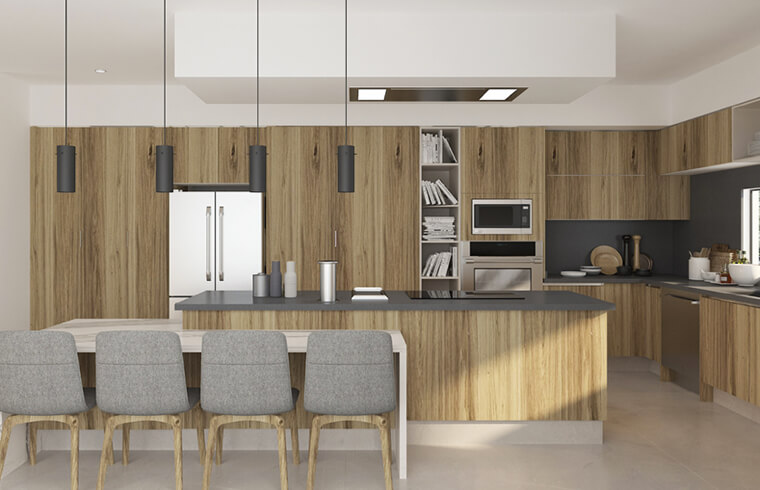
Compared to maple, walnut has a more open grain and deeper natural tones, which are often highlighted with clear or low-pigment finishes. Because of its visual character, walnut wood kitchen cabinets are often used as statement elements, such as full cabinet runs, islands, or accent cabinetry. This material is especially popular in luxury and design-focused kitchens.
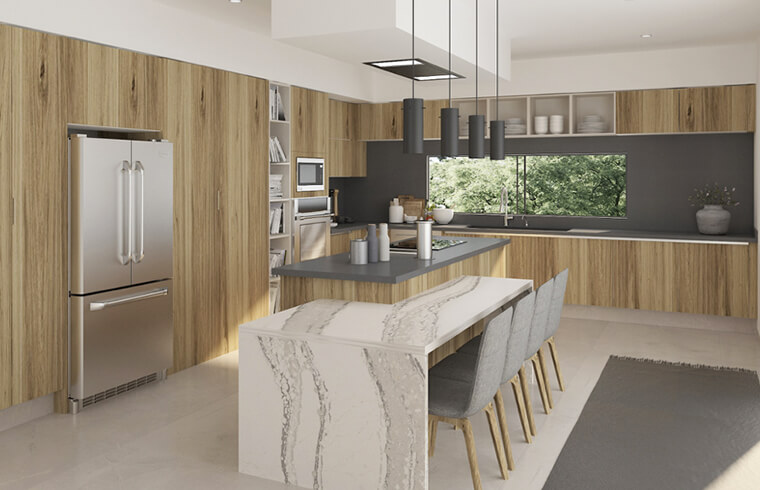
Once the basic material differences are clear, appearance becomes the next major consideration. In kitchens, color and grain strongly influence brightness, space perception, and overall style.
Maple cabinets are typically light in color, ranging from creamy white to pale golden tones. This lighter appearance helps kitchens feel more open and spacious, especially in areas with limited natural light. In addition, maple’s fine and subtle grain creates a smooth and uniform surface that works well in contemporary and minimalist designs.
Because of these qualities, maple wood kitchen cabinets are commonly used in modern kitchens, small kitchens, and spaces where a clean and neutral palette is desired. The understated grain also makes maple a strong choice for painted cabinets, where visual consistency is important.
In contrast, walnut cabinets are known for their deep brown color, often featuring natural variations that range from chocolate to warm reddish hues. The bold and expressive grain adds depth and visual interest, which can give kitchens a more dramatic and refined appearance.
For this reason, walnut kitchen cabinets are often selected for large kitchens or open-plan layouts where darker tones will not overwhelm the space. Walnut pairs well with natural stone, metal accents, and modern lighting, making it a popular option for high-end or custom kitchen projects.
Beyond appearance, kitchen cabinets must withstand frequent use, including opening, closing, and occasional impacts. This is where hardness and durability become critical factors.
Maple is well known for its strength and density. On the Janka hardness scale, hard maple ranks higher than many commonly used hardwoods, which means it offers strong resistance to dents and surface wear. In busy kitchens, this durability helps cabinets maintain their appearance over time.
Because of its toughness, maple is often used in family kitchens, rental properties, and high-traffic cooking spaces. For homeowners or developers who prioritize long-term performance, maple kitchen cabinets provide a reliable balance of durability and appearance.
Walnut is still a durable hardwood, but it is naturally softer than maple. This means walnut cabinets may show dents or marks more easily if subjected to heavy impact. However, with proper care and normal kitchen use, walnut remains a long-lasting cabinet material.
As a result, walnut cabinets are best suited for kitchens where visual impact is more important than maximum resistance to wear. In carefully maintained kitchens, walnut offers durability that is sufficient for long-term use while delivering a distinctive aesthetic.
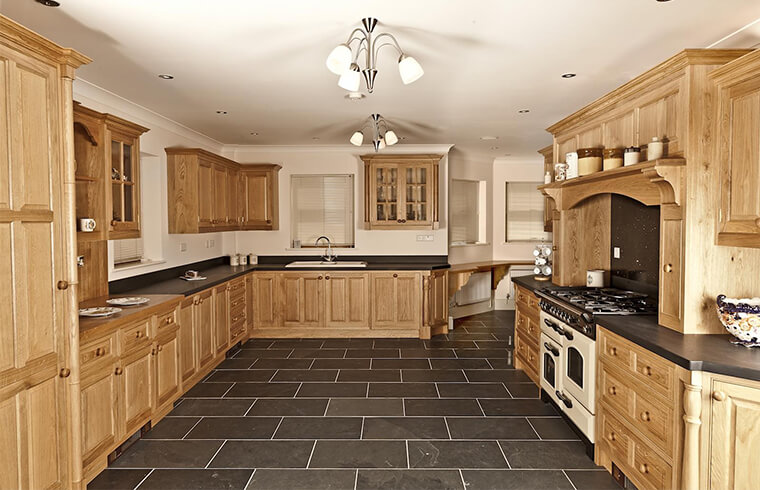
Since kitchens are exposed to humidity, steam, and temperature changes, moisture resistance is another essential consideration when comparing cabinet materials.
Maple’s dense structure contributes to good dimensional stability when properly processed and finished. In kitchen cabinetry, this helps reduce the risk of warping or movement caused by humidity changes. When sealed correctly, maple cabinets perform well in standard kitchen environments.
For this reason, maple wood kitchen cabinets are widely used in both residential and commercial kitchen projects where consistent performance is required.
Walnut is slightly more sensitive to environmental changes due to its grain structure. While it can still perform well in kitchens, proper finishing, installation, and climate control are important to maintain long-term stability.
In controlled indoor environments, walnut cabinets remain structurally sound and visually appealing. However, careful material handling and finishing are especially important for ensuring consistent results over time.
After evaluating appearance and durability, the next key factor to consider is how maple and walnut perform during manufacturing and finishing. Workability directly affects cabinet precision, design flexibility, and final surface quality.
Maple is a very dense hardwood, which makes it strong but also slightly more challenging to machine. In cabinet production, this density allows maple to hold sharp edges well, making it suitable for clean-lined cabinet doors, flat panels, and modern profiles.
However, because maple has a tight and uniform grain, it does not absorb stains evenly. Dark stains can sometimes appear blotchy if surface preparation is not done correctly. As a result, maple kitchen cabinets are often finished with clear coats, light stains, or paint to achieve a consistent appearance.
From a design standpoint, maple works best for:
Shaker-style cabinets
Flat-panel or slab doors
Painted kitchen cabinet projects
Contemporary and transitional kitchens
With proper finishing techniques, maple provides excellent design reliability and surface consistency.
In comparison, walnut is easier to work with due to its slightly softer structure. This makes it more suitable for detailed cabinet profiles, curved elements, and custom door designs. During finishing, walnut accepts stains and clear finishes evenly, allowing its natural color and grain to stand out without complex preparation.
Because of this, walnut wood kitchen cabinets are often finished with clear or low-pigment coatings rather than paint. This preserves the wood’s natural depth and creates a warm, premium look that is difficult to replicate with other materials.
Walnut offers strong flexibility for:
Custom cabinet designs
Decorative door profiles
Open shelving and accent cabinetry
High-end or luxury kitchen layouts
Overall, walnut gives designers more freedom to highlight craftsmanship and natural wood character.
Beyond installation, cabinet materials should be evaluated based on how they perform over years of use. Maintenance requirements and repair options can significantly impact long-term value.
Maple cabinets are relatively easy to maintain. Their smooth surface resists dust buildup, and routine cleaning with mild cleaners is usually sufficient. Because maple is hard and dense, it resists everyday wear well in busy kitchens.
In case of minor damage, painted or light-finished maple cabinets are easier to touch up or refinish. This makes maple kitchen cabinets a practical option for households that prioritize durability and ease of care.
Walnut cabinets require a bit more attention, especially when finished with clear coatings that expose the natural wood surface. While normal cleaning is still simple, surface scratches or dents may be more visible due to the darker color.
That said, walnut can be refinished when necessary, restoring its appearance without replacing the cabinets. For homeowners who value long-term aesthetics, walnut offers a balance between maintenance and visual appeal.
Cost is often one of the final decision factors, especially for full kitchen cabinet installations.
Maple is generally more affordable and widely available, which helps control material and production costs. This makes maple cabinets a strong choice for large projects, multi-unit developments, and value-focused kitchen renovations.
Walnut, on the other hand, is considered a premium hardwood. Its higher material cost reflects its appearance, workability, and design appeal. For projects where cabinet design plays a central role in overall kitchen value, walnut remains a popular investment.
From a long-term perspective:
Maple offers cost efficiency and durability
Walnut offers design impact and premium positioning
From a supplier or manufacturer standpoint, both materials serve different customer needs. Maple supports scalable production, consistent quality, and broad market demand. Walnut supports customization, brand differentiation, and high-end positioning.
A professional kitchen cabinet supplier will typically recommend maple for clients focused on performance, budget control, and neutral aesthetics. Walnut is recommended when design expression and visual distinction are top priorities.
Matching the right wood to the right project ensures customer satisfaction and long-term cabinet performance.
In summary, both maple and walnut are proven hardwood options for kitchen cabinets, but they serve different purposes. Maple excels in durability, consistency, and versatility, making it ideal for modern and high-traffic kitchens. Walnut stands out for its rich appearance, workability, and design flexibility, making it a strong choice for custom and premium kitchens.
The best choice depends on your kitchen layout, design goals, and long-term expectations. By understanding how each wood performs in real kitchen environments, you can select a cabinet material that delivers both function and lasting value.
If you are sourcing materials or planning a cabinet project, working with an experienced supplier is essential. BFP, as a professional kitchen cabinet supplier, provides expert guidance and material solutions to help you choose the right wood for your specific needs. Contact BFP to explore reliable cabinet options designed for performance, quality, and long-term use.


We employ cookies to analyze website traffic and enhance your browsing experience. Data securely aggregated, privacy protected. See Privacy Policy for details.